Collecting Taxonomy...
💡 Tip: Contribute to species pages to earn XP!
Collecting Taxonomy...
💡 Tip: Contribute to species pages to earn XP!
Collecting Taxonomy...
💡 Tip: Contribute to species pages to earn XP!
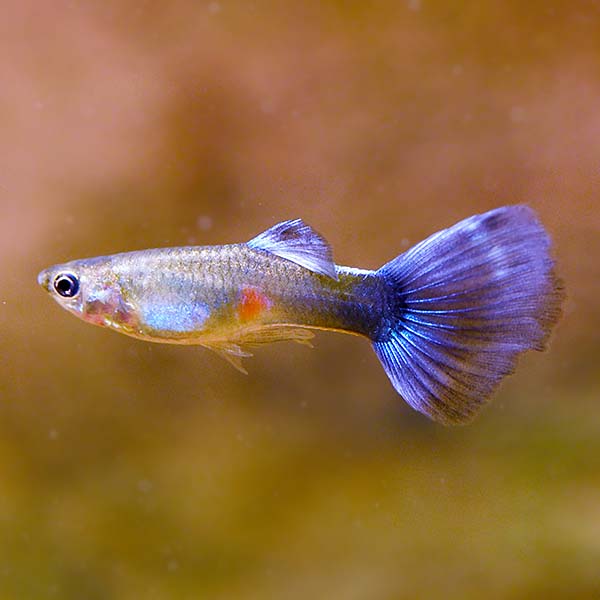
Poecilia reticulata
Also known as: Guppy
The Mosaic Guppy is one of the most visually striking and popular fancy guppy varieties in the aquarium hobby. It is best known for its intricate mosaic-like patterns on the tail and dorsal fin, which resemble stained glass or artistic brushwork. Unlike solid-color guppies, Mosaic Guppies display complex color combinations, making each individual fish look unique.
Scientific Name: Poecilia reticulata
Common Name: Mosaic Guppy
Origin: Selective breeding
Difficulty Level: Easy
The Mosaic Guppy is primarily valued for its ornamental tail patterns rather than body color.
Body Color: Silver, light blue, yellow, or pale metallic tones
Tail Pattern:
Irregular mosaic or lace-like markings
Common colors include red, blue, black, yellow, orange, and white
Dorsal Fin: Usually patterned to match the tail
Tail Shape: Delta (fan-shaped) is most common
Size:
Males: 3.5–4 cm (1.4–1.6 inches)
Females: 5–6 cm (2–2.5 inches)
No two Mosaic Guppies are exactly alike, which makes them highly attractive for display tanks.
Mosaic Guppies are peaceful, active, and social fish.
Friendly toward tank mates
Constant swimmers, especially in the middle and upper tank levels
Males display their tails frequently to attract females
Ideal for community aquariums
They thrive best when kept in small groups.
Minimum: 10 gallons (40 liters)
Recommended: Larger tanks for mixed guppy communities
Temperature: 22–28°C (72–82°F)
pH: 6.8–7.8
Hardness: Moderate (8–15 dGH)
Live plants (Java moss, guppy grass, hornwort)
Open swimming areas
Gentle filtration
Medium to bright lighting to highlight tail patterns
Regular water changes (20–30% weekly) keep colors vibrant and fish healthy.
Mosaic Guppies are omnivorous and easy to feed.
High-quality guppy flakes or micro pellets
Live or frozen foods:
Brine shrimp
Daphnia
Bloodworms (occasional)
Plant-based foods:
Spirulina flakes
Blanched vegetables (small amounts)
Feeding Frequency:
2–3 small meals per day
A varied diet improves tail color intensity and pattern clarity.
Other guppies
Mollies and platies
Tetras and rasboras
Corydoras catfish
Peaceful shrimp
Fin nippers (tiger barbs)
Aggressive or predatory fish
Mosaic Guppies are livebearers and breed easily.
Gestation period: 25–30 days
Fry per birth: 20–50
Male-to-female ratio: 1:2 or 1:3
Dense plants protect fry
Fry foods:
Baby brine shrimp
Crushed flakes
The mosaic pattern is genetically complex, and selective breeding is required to maintain strong, clean mosaic markings. Crossbreeding often reduces pattern quality.
Ich (white spot disease)
Fin rot
Stress-related color fading
Stable water parameters
Good filtration
Avoid overcrowding
Quarantine new fish
Mosaic Guppies are hardy when maintained in clean water conditions.
Average lifespan: 2–3 years
Proper diet and stress-free environments can slightly extend their lifespan.
Mosaic Guppy, Guppy
Actinopteri
10
Observations
9
Countries
Data aggregates species content from multiple sources including Wikipedia, iNaturalist, GBIF, and ITIS. Content may transform over time. Wikipedia content is licensed under CC BY-SA 3.0.